
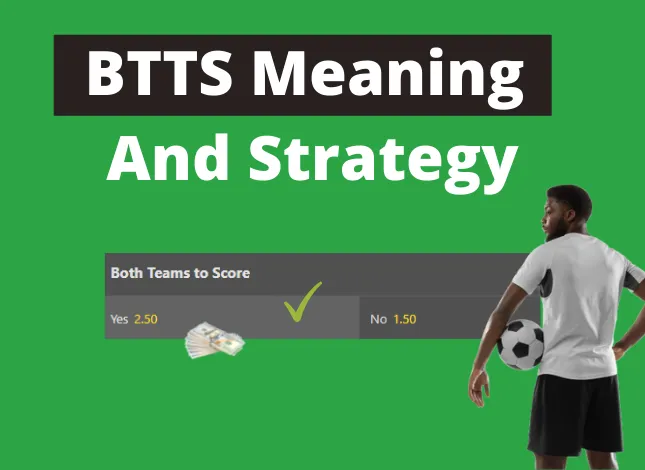
The Both Teams to Score (BTTS) market has become one of the most popular options in football prediction. It’s simple, consistent, and often easier to predict than results. Instead of choosing a winner, you only need both teams to find the net — a scenario that happens frequently in modern football.
But like any market, BTTS requires strategy. This guide breaks down when BTTS prediction makes sense, key factors to analyse, leagues where it works best, common mistakes to avoid, and real examples to help you pick smarter.
You might also like
BTTS Meaning: prediction Strategies, Types, and Examples Explained
06:38 agoRelated Article

Where Will the World Cup 2026 Be Played?
03:54 ago1–1
2–1
3–2
2–2
Matches like 0–0, 1–0, or 2–0 lose the pick.
BTTS is ideal for bettors who prefer analysing goal potential rather than match winners.When BTTS Is a Good pick
BTTS makes sense when the match shows strong indicators that both teams are likely to score. These are the key scenarios:
1. When Both Teams Have Strong Attacking FormIf both teams consistently score goals, BTTS becomes a high-probability option.
Strong BTTS signs include:
Both teams scoring in 4+ of their last 5 matches
Each averaging at least 1 goal per game
Both creating high xG (expected goals) values
2. When Both Teams Have Weak or Inconsistent DefensesDefensive issues increase BTTS chances significantly.
Clues to watch:
Frequent defensive errors
Missing centre-backs or key defensive midfielders
Teams conceding in most matches
Even strong teams can concede against fast, counter-attacking sides.
3. When the Match Is Balanced and CompetitiveBTTS tends to land when neither team is significantly stronger than the other.
Perfect conditions:
Mid-table clashes
Rivalries
Even possession patterns
Similar scoring and conceding stats
Balanced games often lead to open, end-to-end football.
4. When Motivation Forces Both Teams to Attacklikely match situations naturally increase goal probability.
Examples:
Title races
Relegation battles
Cup second legs requiring goals
Final group stage matches with qualification on the line
High motivation = high scoring potential.
5. When Both Teams Score Frequently at Home/AwayHome and away scoring trends are extremely reliable.
Look for:
Home team scoring in most home matches
Away team scoring in most away matches
Both teams conceding regularly
These patterns often outweigh overall form.
Factors to Consider Before Placing a BTTS pickUnderstanding when BTTS makes sense requires evaluating several key components:
1. Team FormCheck:
Recent scoring form
Consistency of goals
Frequency of conceding
Team form is one of the strongest BTTS indicators.
2. Home & Away StatsSome teams are completely different depending on venue.
Example:
Excellent attacking home record
Poor defensive away record
This combination supports BTTS prediction.
3. Head-to-Head TrendsAlways check recent meetings.
If the last 3–5 matches ended with goals at both ends, there's a good chance it continues — especially if squads haven't changed dramatically.
4. Tactical MatchupsTactics matter more than reputation.
BTTS is more likely when:
Fullbacks push high
Teams use aggressive pressing
Both managers prefer attacking setups
BTTS is less likely when:
One team defends deep
A coach prioritizes clean sheets
Both sides play cautiously
5. Team NewsKey absences can change everything.
Important players to monitor:
Strikers / wingers
Playmakers
Defensive leaders
Goalkeepers
Missing attackers reduce BTTS chances; missing defenders increase them.
Leagues Where BTTS Works BestSome leagues naturally produce more BTTS outcomes:
???? Dutch EredivisieHigh-tempo, open football with lots of goals.
???? German BundesligaFast transitions, high pressing, frequent scoring.
???? Belgian Pro LeagueBalanced teams with unpredictable results.
???? Swiss Super LeagueStrong attacking intent, shaky defences.
Situational LeaguesEnglish Premier League (mid-table fixtures)
Italian Serie A (more goals in recent years)
Common BTTS prediction Mistakes to AvoidEven experienced bettors fall into these traps:
1. Assuming BTTS Means Over 2.5 GoalsA match can end 1–1 and still win BTTS — but lose Over 2.5.
Treat them as separate markets.
If one team is extremely weak, BTTS becomes unlikely.
Look for competitiveness, not mismatches.
3. Ignoring Match MotivationA “must-not-lose” match often leads to cautious play.
4. Ignoring Weather ConditionsHeavy rain or strong wind reduces scoring reliability.
5. Overusing BTTS in Big DerbiesSome derbies are fiery — but not always high scoring.
Practical BTTS Examples
Example 1: Perfect BTTS ScenarioTeam A scores in every home match
Team B scores in most away matches
Both concede frequently
Last 3 H2H matches had BTTS
→ BTTS – Yes is a strong option.
Example 2: Avoid BTTSOne team rarely scores
Difference in quality is too big
Defensive structure strong
Low xG numbers
→ No value in BTTS.
Conclusion BTTS is one of the most accessible and profitable prediction markets for beginners — but only when used strategically. Understanding team form, defensive trends, tactics, motivation, and league characteristics can help you identify the best opportunities. BTTS prediction makes sense when both teams show strong scoring potential and clear weaknesses at the back. Used wisely, it can be a consistent and reliable part of your overall prediction strategy.










No comments yet. Be the first to share your thoughts!